
Cheese Stories
Useful and fun cheese stories
- [News] The Solution to the Surplus of Milk: Cheese
- 2025-03-11
Milk is overflowing.
The inventory of dried milk powder is steadily increasing.
Dairy companies are struggling with a shortage of storage facilities, while dairy farmers cannot stop milking cows daily.
In such situations, the most effective way to increase milk consumption is by producing various dairy products.
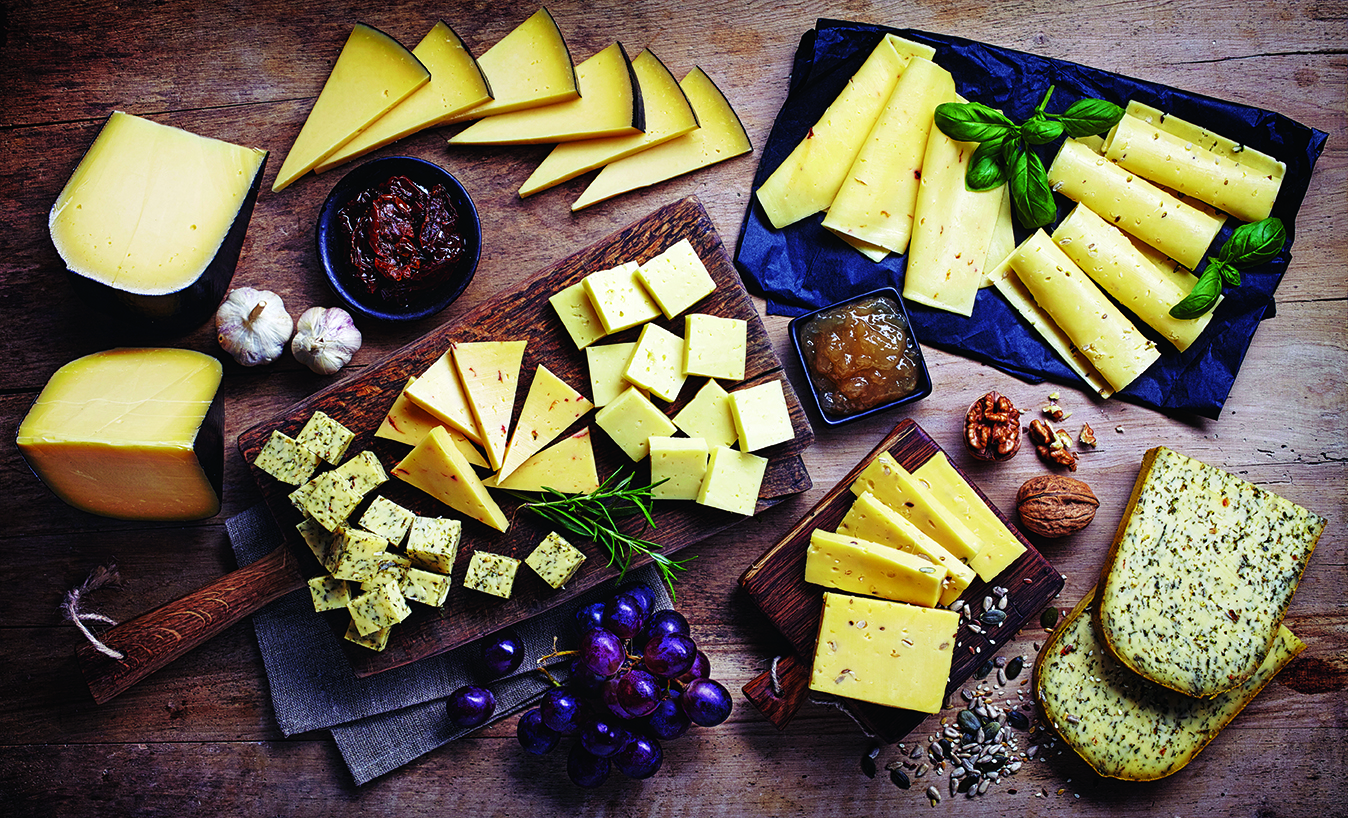
Among them, cheese is the most preferred option for dairy farmers and milk processors because it compresses raw milk by a factor of 10 and increases its added value by seven times.
In Western countries, natural cheese is a staple food, much like kimchi in Korea.
Nutritionally, it is a healthy food with low calories, containing about 25% protein, 27% fat, and approximately 8% vitamins and minerals.
Since producing 1 kg of cheese requires about 10 kg of milk, the nutrients in milk are concentrated tenfold.
Moreover, the fermentation process enhances its nutritional value by increasing beneficial functional compounds, making cheese even more nutritious than milk.
Cheese is rich in phosphorus and calcium, containing about 600?800 mg per 100 g, and is easily absorbed, making it highly beneficial for bone development in growing children.
Calcium helps lower blood pressure and purify the blood, making it beneficial for people with hypertension and other adult diseases.
Aged cheeses such as Cheddar, Gouda, and Camembert contain antihypertensive peptides that inhibit the production of angiotensin II, a substance that raises blood pressure.
Additionally, cheese helps lower acidity in the mouth, preventing the loss of calcium and phosphorus from teeth while also replenishing minerals in damaged teeth, thereby helping to prevent cavities.



Dairygen Co., Ltd.
14, Bansan 1-ro, Munmak-eup, Wonju-si, Gangwon Special Self-Governing Province
Business Registration Number: 224-81-26380 TEL: +82-33-732-8624 Email: cs@dairyzen.co.kr Personal Information Manager: Choi Su-ok
Copyright © DAIRYZEN All rights reserved.